
Having Agency vs Acting Agentically
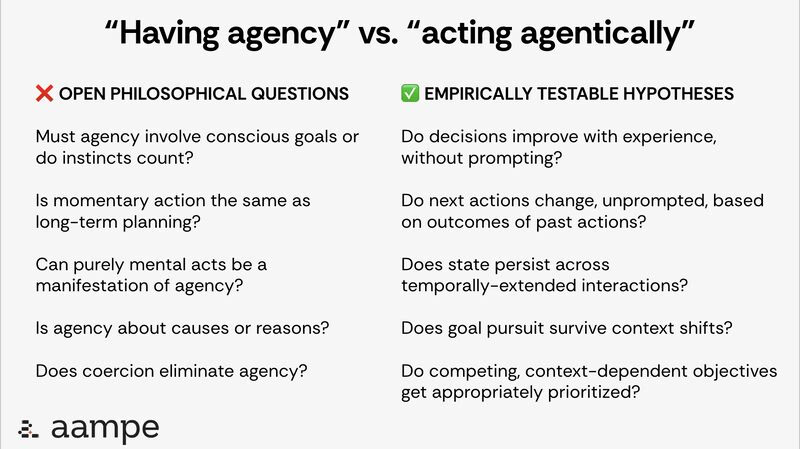
We throw around terms like “agency” when discussing AI, but the term itself lacks definition. That’s a problem that predates AI. The idea of “agency” raises a lot of questions that generations of philosophers haven’t been able to answer: ❌ Must agency involve conscious goals or do instincts count?❌ Can purely mental acts be a […]
Agentic AI in Enterprises
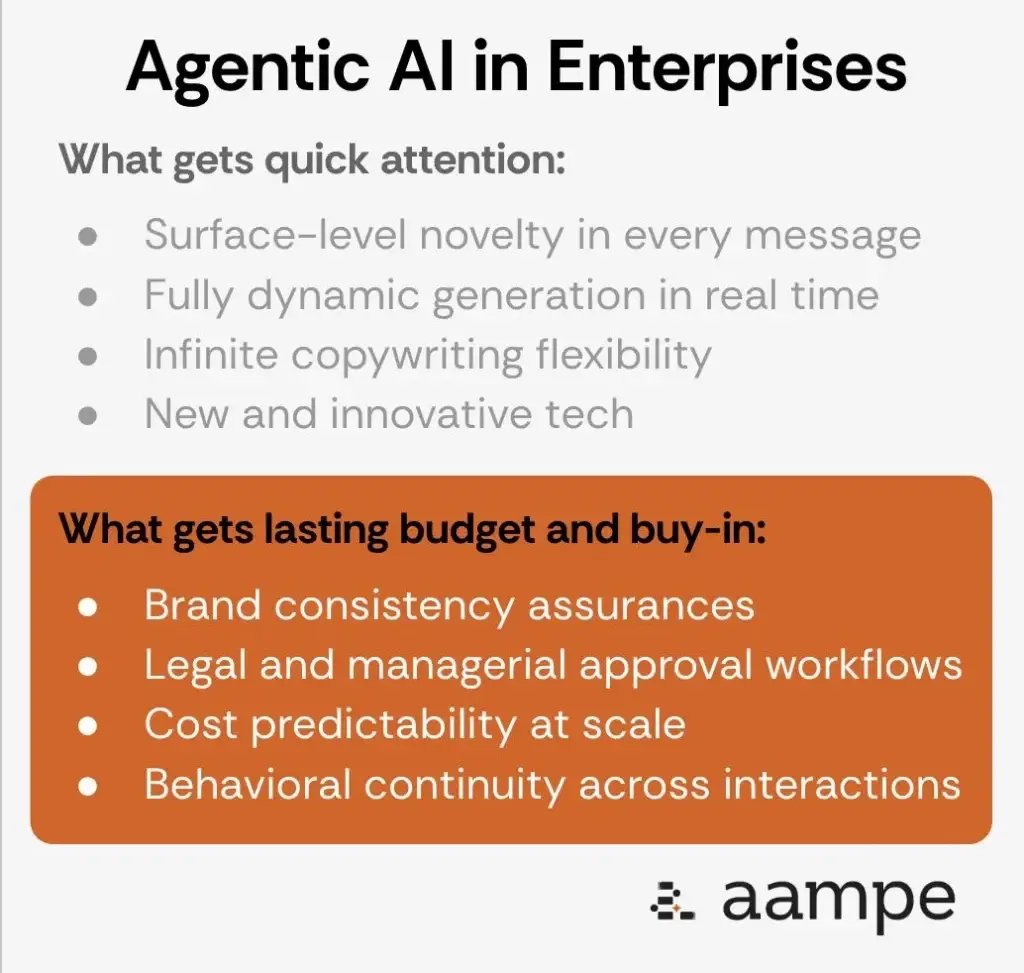
As LLM costs drop and capabilities grow, it’s tempting to use them as the engine behind every customer interaction. But real-time generation is rarely essential. Most businesses face semantic-associative problems, not generative ones. The issue isn’t a lack of words — it’s knowing which words work, when, and for whom. Semantic-associative learning connects abstract message […]
Unlocking the Power of Semantic-Associative Memory in AI Systems
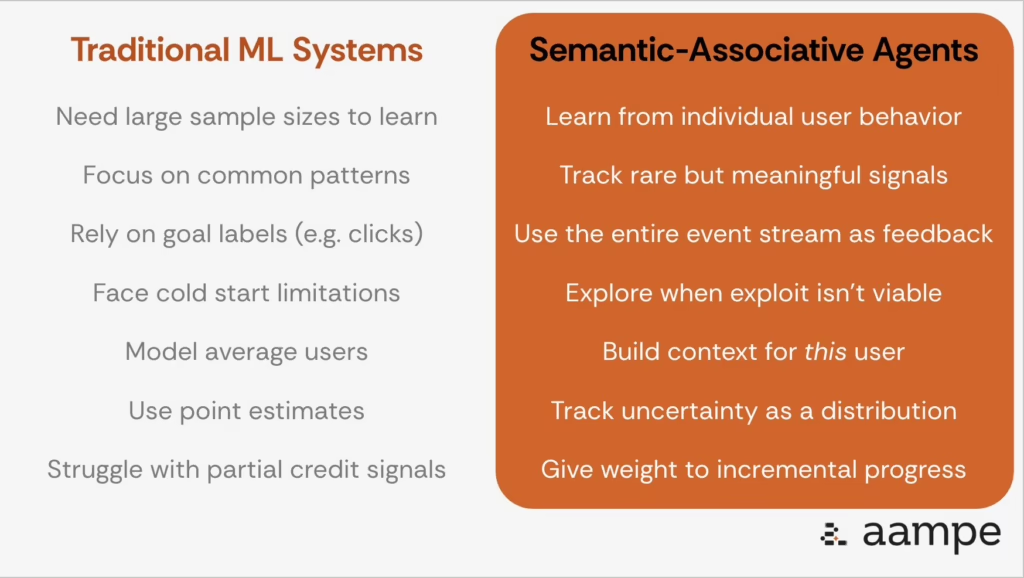
One of the quiet advantages of semantic-associative agents is how many classic ML concerns just sort of disappear. Take rare events, cold starts, and data sparsity. These are tough problems for most machine learning systems because they depend on statistical regularities across many users. But our agents aren’t trying to model “users like this one.” […]
How Aampe Handles Model Drift with Agentic Systems
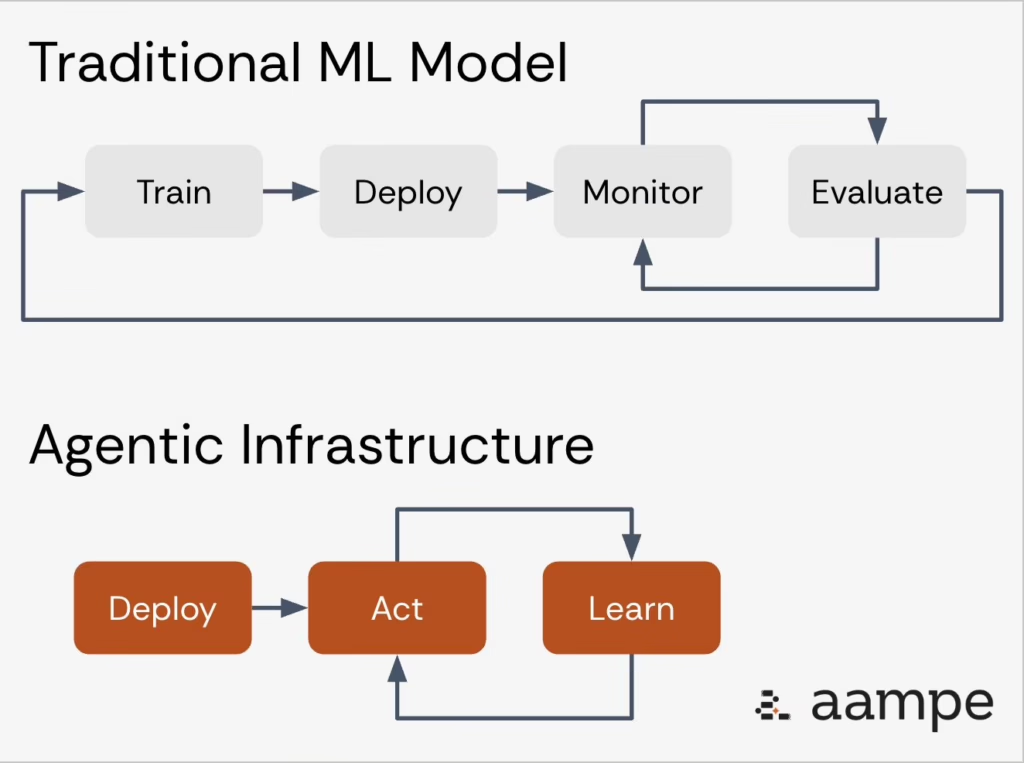
People sometimes ask how we deal with model drift at Aampe. We don’t, for the most part. We don’t have to. Agentic systems that operate on the basis of semantic-associative learning don’t have to worry about drift in the traditional sense, because the system learns continuously. Model drift is a problem you get when you […]
Why Agentic Systems don’t operate over a huge State Space
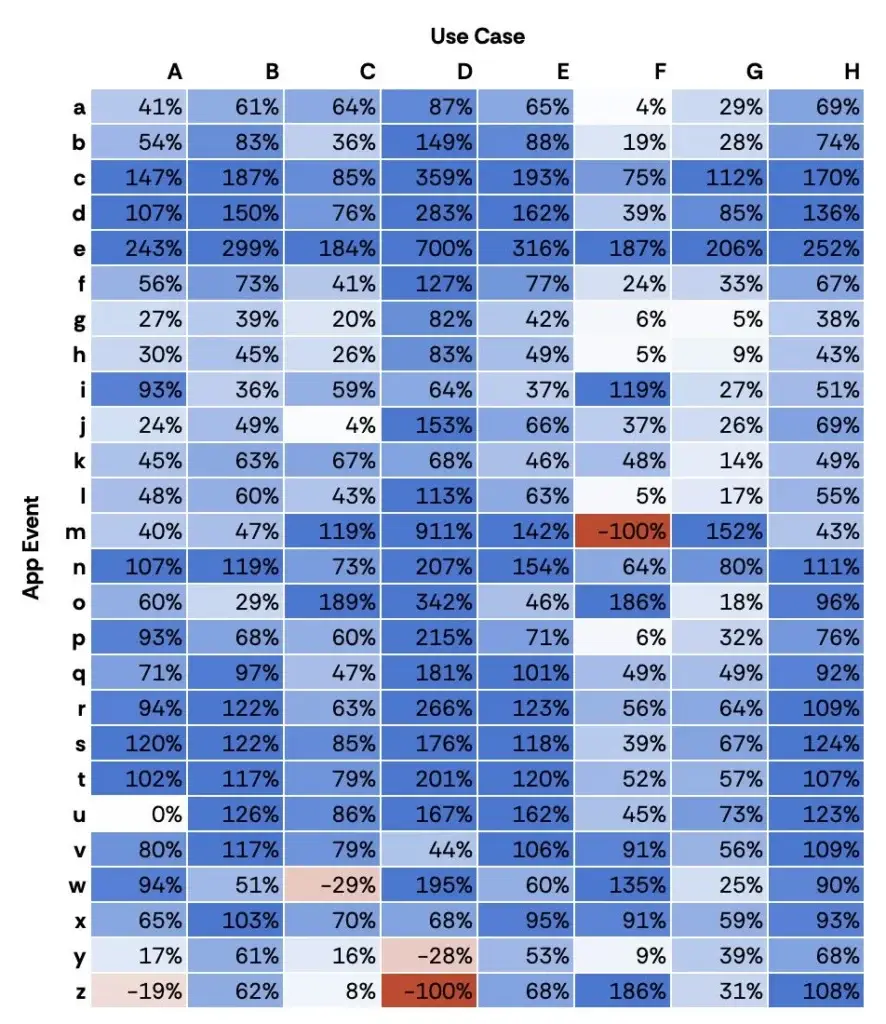
Agentic systems don’t operate over a huge, chaotic message space. They operate over structured action sets — defined semantic categories that make up a treatment policy. At Aampe, a typical treatment policy might be composed from action sets: day of week, time of day, channel, value proposition, product/offering, tone of voice, incentive level/type, and so […]
Reevaluating Campaigns in Customer Engagement: Embracing Agentic Systems
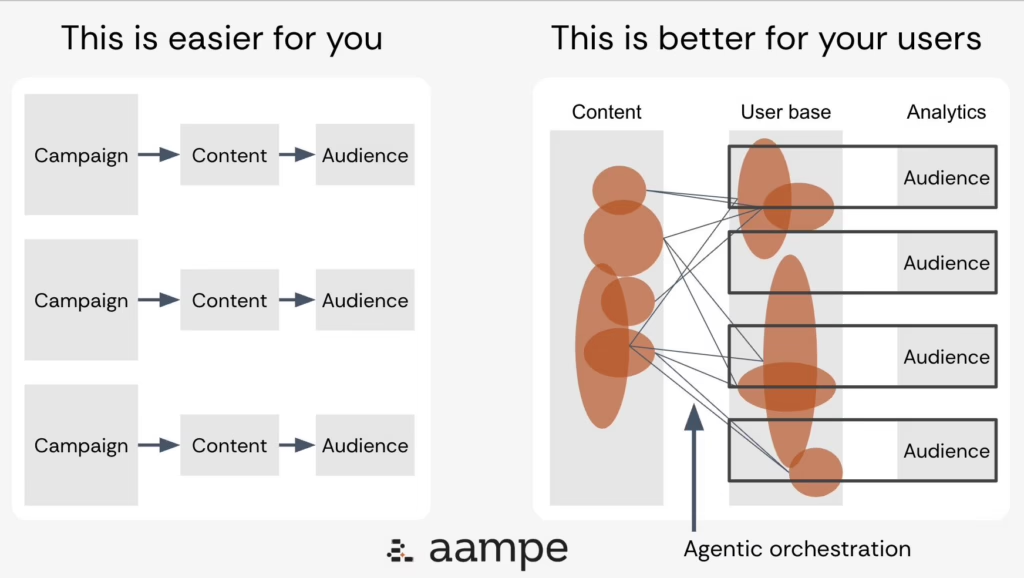
Technology is enabling, but it’s also constraining — your choice of technology requires tradeoffs. You limit yourself in some ways to multiply your efforts in others. Customer engagement tools are no different. Consider how “campaigns” are used: As orchestration — specifying which users get which messages under what conditions. This helps scale communication by breaking […]
Beyond Multi-Armed Bandits: Understanding Aampe’s Semantic-Associative Agents
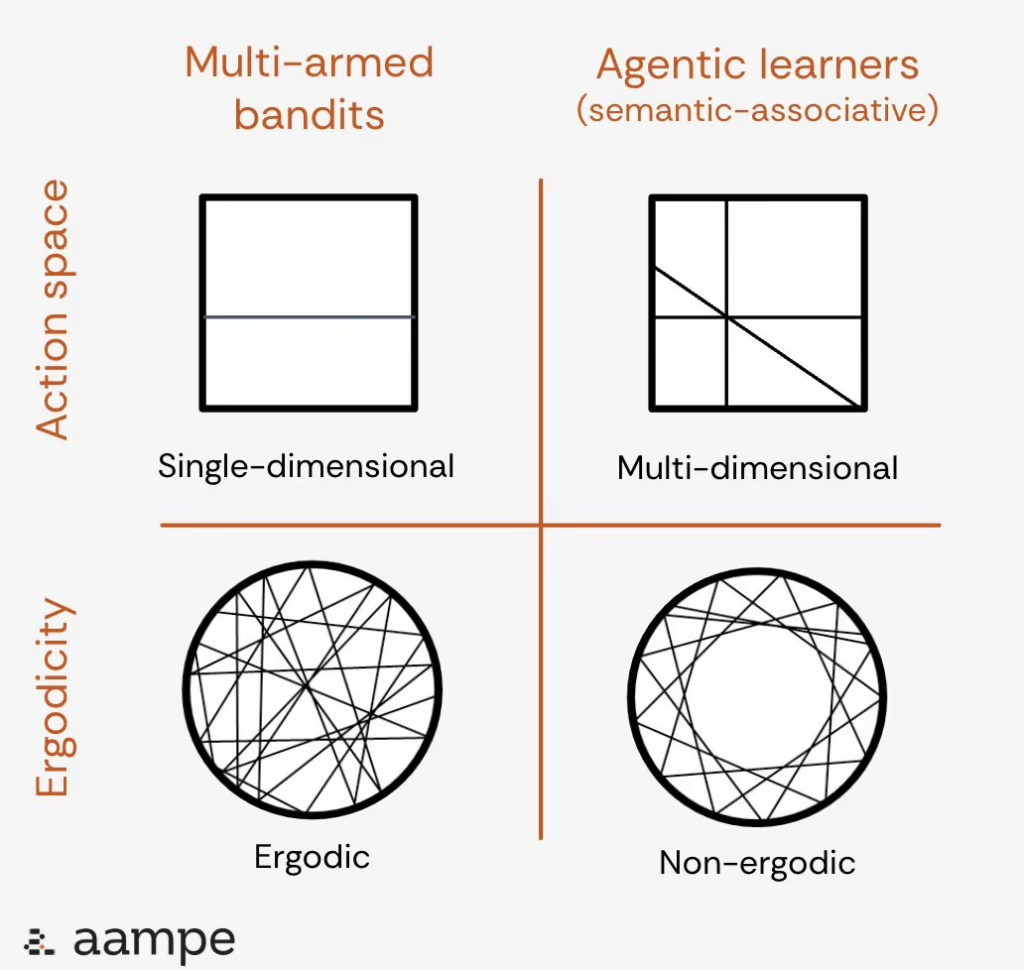
People sometimes ask whether our system is a kind of multi-armed bandit. It’s not. But that’s not a bad place to start if you want a familiar reference point. Our semantic-associative agents use the same basic intuition: take actions, observe outcomes, and update preferences. But two key differences make this something else entirely: Multi-dimensional action […]
Navigating User Contexts: Aampe’s Approach to Personalized AI Agents

In a recent post, I wrote that our agents treat each user as their own unique context – they don’t generalize across users. One reader pointed out that zero transfer between users would be impractical for most business contexts, which is entirely correct. My one-context-per-user statement was an accurate portrayal of how semantic-associative agents learn user […]
Reimagining Customer Engagement: Beyond Hierarchical Reinforcement Learning
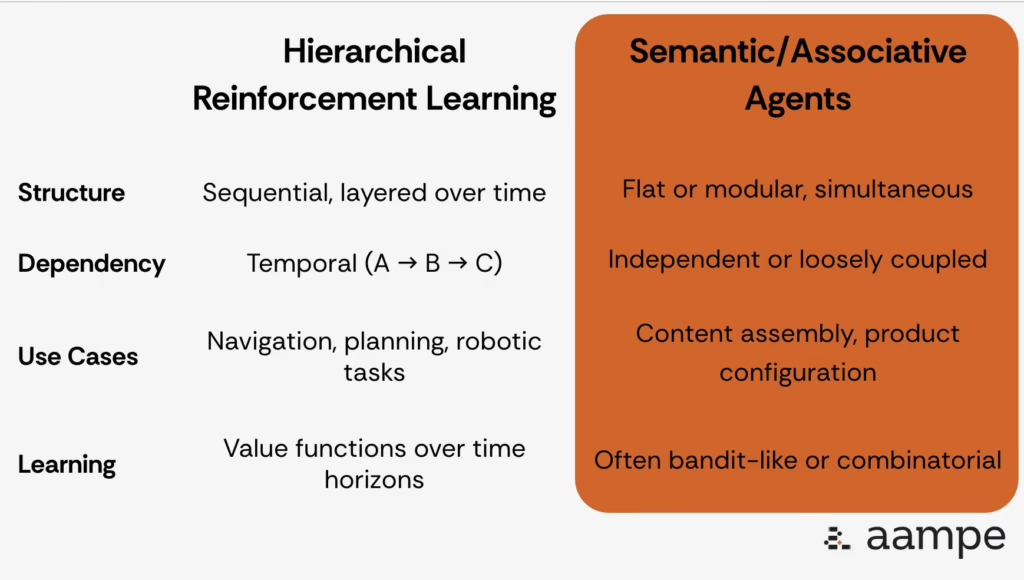
Following up on one of my recent posts about using bandits as the anchor point for how we think about agentic learning: Yes, we’ve stretched the bandit framing well beyond its usual territory — multi-dimensional action spaces, non-ergodic structure, per-user learning – but it’s still a better conceptual fit than alternatives like hierarchical RL. Customer […]
Evaluating Adaptive Systems: Beyond Short-Term Metrics
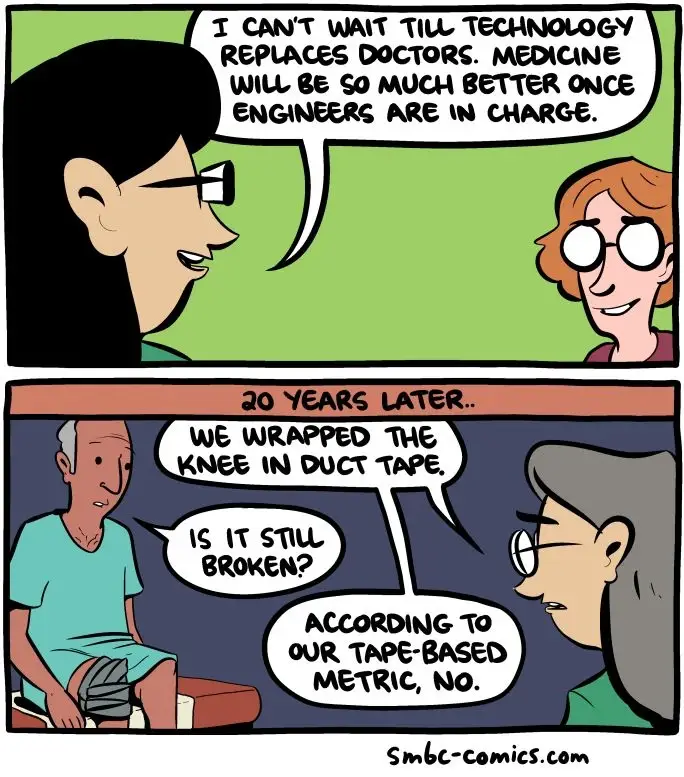
When evaluating an adaptive system like Aampe, the most common question is: “what’s the lift?” It’s an understandable reflex. Lift is easily measurable. With lift numbers, you can compare system A to system B and say, “This one wins.” This is the problem with metrics – we tend to confuse what we can measure with […]